
We build the whole line.
From seed intake to refined oil — designed, manufactured, erected, commissioned and handed over by a single engineering team. Plants running in fifteen countries.
Complete plants — and every machine inside them
SES Agrotech is a turnkey project house. We take a solvent extraction plant from process design through fabrication, erection and commissioning, then train the crew who will run it. Thirteen capability lines, one point of accountability.
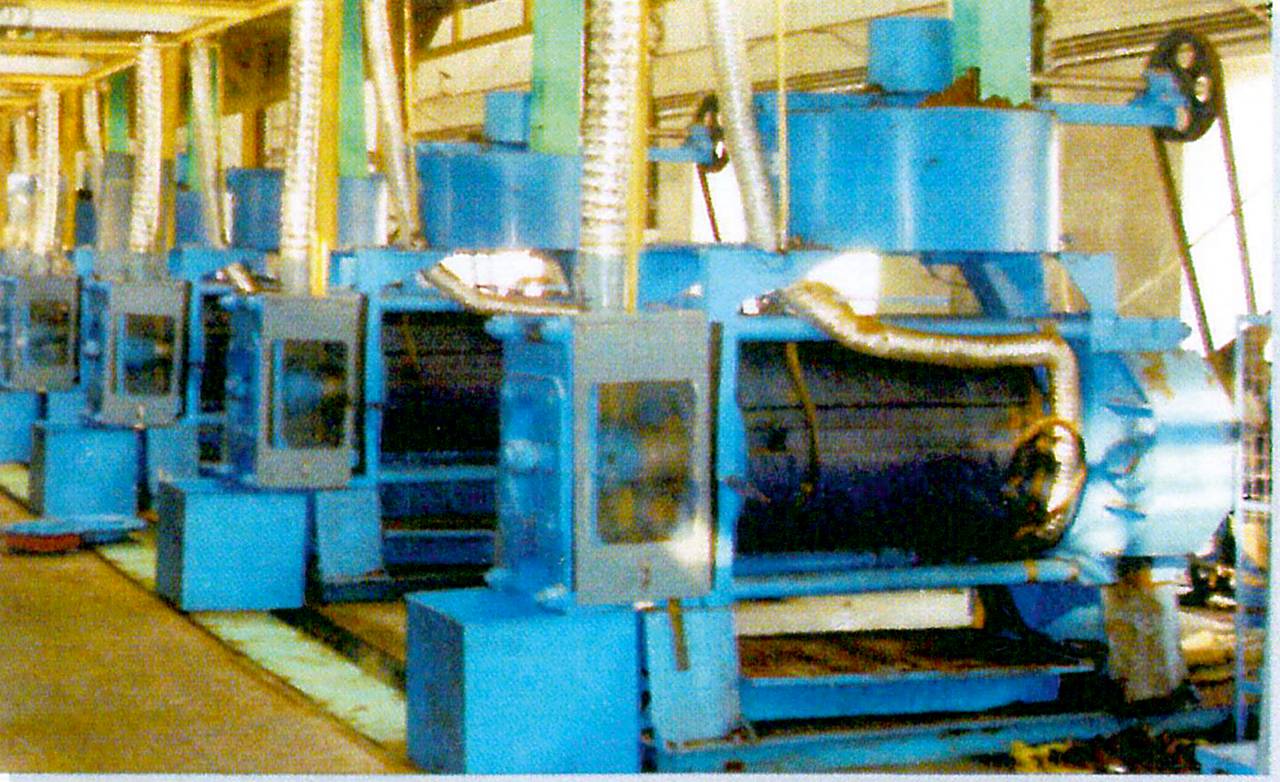
It starts under the press.
Seed holds twenty to fifty per cent oil, locked inside the cell wall. Our expellers — three-chamber, alloy steel worms, steam-jacketed cookers — take the first pass at it.
Pressing leaves oil behind
Mechanical pressing combines high pressure, temperature and moisture — which causes colour fixation, oxidation and hydrolysis. Rice bran and soya can't be handled by expellers at all. Solvent extraction alters none of the oil's properties.
Residual oil left in the cake
Lower is better. Indicative figures for comparison.
Oil bound within the seed cell
Seed holds 20–50% oil, tightly bound. Preparation has to break the cell before either route works.
Scroll through
the process line
Continuous solvent extraction
Tonnes per day · design range
An M.S. or S.S. rectangular vessel installed horizontally, with an articulated band conveyor and pre-calculated bed height. Spray breakers distribute solvent across the full width of the moving bed; fresh solvent enters at the discharge end for true counter-current flow.
Discuss your capacitySoyabean runs the full preparatory train: cleaning and destoning, cracking to break the bean into meats, conditioning in a steam-jacketed cooker, then flaking to a thin, uniform flake the solvent can penetrate.
Rice bran cannot be pressed at all — the oil is recoverable only by solvent. Bran arrives loose and fine, so preparation centres on pelletizing to build a bed the solvent can flow through without channelling.
Every continuous solvent extraction plant we supply is built from these six sections, sized to the seed and the tonnage.
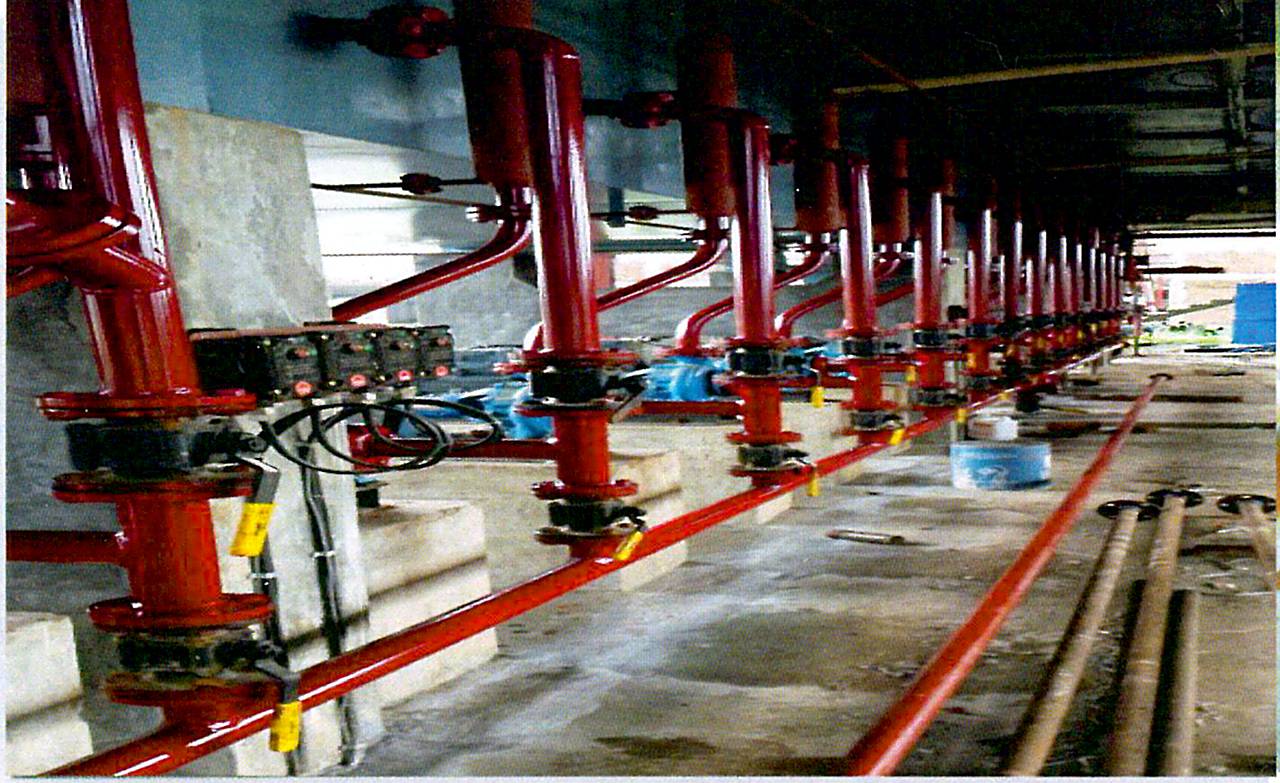
Sixty tonnes a day, or two thousand.
The same engineering discipline sizes a modest rice bran unit and a full soya complex. Counter-current flow, closed-circuit miscella, and a bed that never channels.
Crude in. Edible oil out.
Crude oil from expellers or the extraction plant carries mucilage, gums, proteinaceous matter and free fatty acid — all of which make it unfit for edible use. Four stages remove them, batch or continuous.
One palm oil, nine products
Fractionation is fully reversible. Selective crystallization splits the oil by iodine value — saturated, higher-melting triglycerides concentrate into the solid phase while the olein fraction enriches in unsaturates.
Vacuum drum vs. membrane filter
| Fractionation data | Drum | Membrane |
|---|---|---|
| IV palm oil | 52 | 52 |
| IV olein | 57 | 57 |
| IV stearin | 40 | 34 |
| SFC cake | 41% | 55% |
| Yield olein | 71% | 78% |
Effect of squeeze pressure
| Fractionation data | 6 bar | 20 bar |
|---|---|---|
| IV superolein | 63.4 | 63.9 |
| IV PMF | 44.5 | 44.5 |
| SFC cake | 56% | 71% |
| Yield olein | 44% | 55% |
| Olein entrainment | 56% | 45% |
Fifty pressure leaf filters a year
Liquid–solid separation is a business in its own right for us — vertical and horizontal pressure leaf filters, presses, polishing filters and strainers, plus spare leaves, leaf reconditioning and accessories for filters we didn't build.
Designed for high flow rates and batch operation, used where the filter cake is sticky and difficult to remove. Specially designed for filtration of wax in edible oils, offering simplicity of process, easy operation and maintenance, modest space requirement and low energy consumption.
A horizontal cylindrical vessel with special bonnet wedged lock closure and neoprene seal. The retractable shell rides on four externally mounted wheel assemblies, retracted by hydraulic cylinders with their own power pack. All nozzle connections sit on the fixed head, so nothing needs disconnecting during cake discharge.
Interlocking is provided to prevent opening under pressure where the process demands it.
Designed vertically with conical bottom and dish end top. Filter elements mount easily from the top and tighten with an "I" bolt system for quick loosening and tightening. An electro-pneumatically operated butterfly valve at the bottom end allows quick removal of filtered material.
| Layer | Specification |
|---|---|
| Filter mesh | SS 316, 60×60 / 110×110 mesh, Dutch weave |
| Support mesh | SS 304, 8×8 mesh, 22 SWG — 2 layers |
| Drainage mesh | SS 304, 4×4 mesh, 16 SWG — 1 layer |
| Channels, mouth, forks, rivet | SS 304, 16 SWG THK tubular |
5-ply riveted construction.
Filter presses
Mild steel and PP. Complete range from 24" to 60", 24 plates to 120 plates, with modern hydraulic power pack system.
Polishing & strainers
Micro polishing filters for filtration to 3 microns, single and multi bag options to enhance selectivity. Complete range of "bucket" and "Y" type strainers.
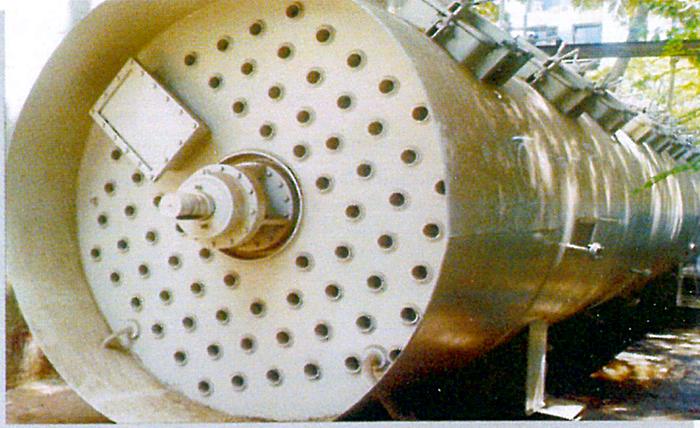
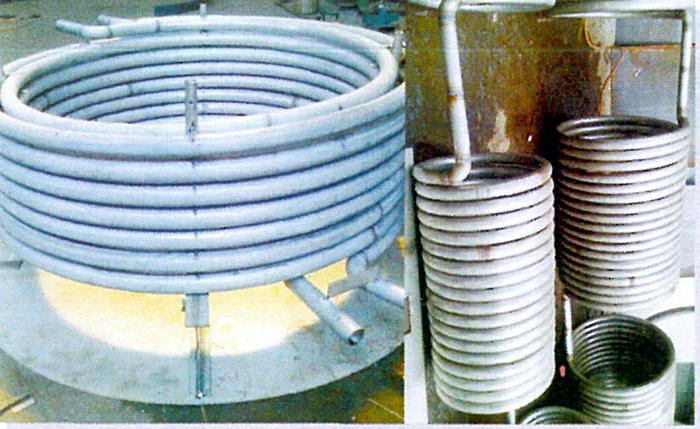
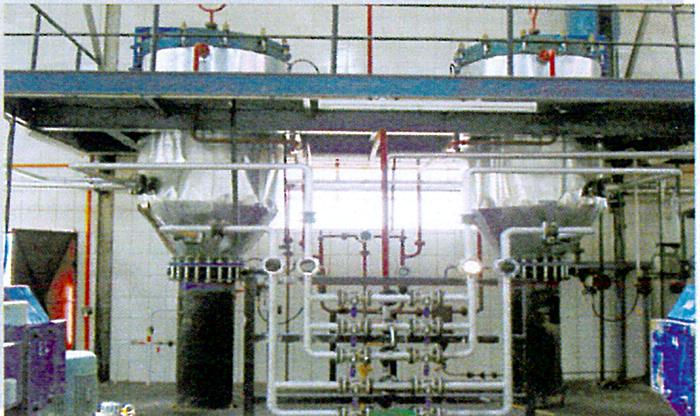
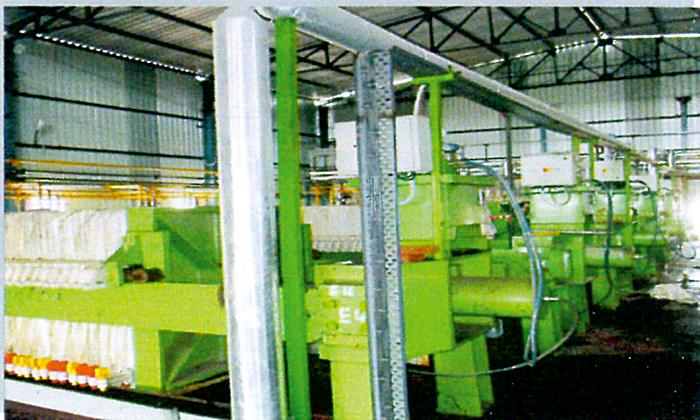
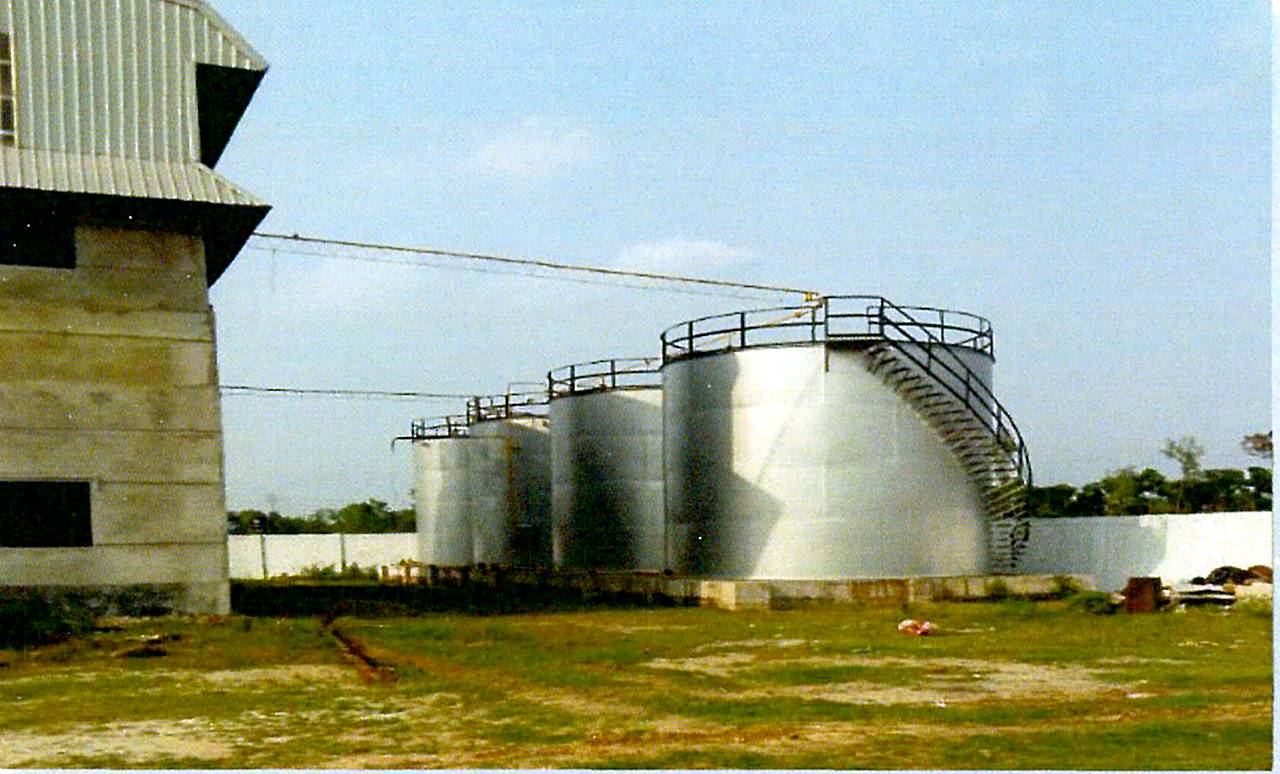
Equipment we have built and commissioned
Every photograph on this page is of an SES Agrotech installation or of equipment fabricated at our works — no stock imagery.
See all plant photographs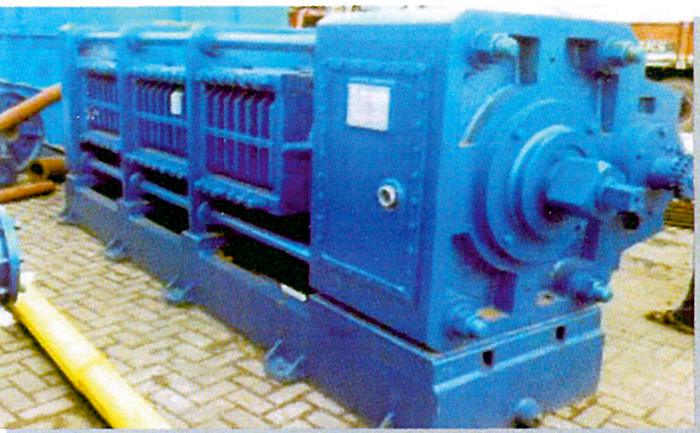
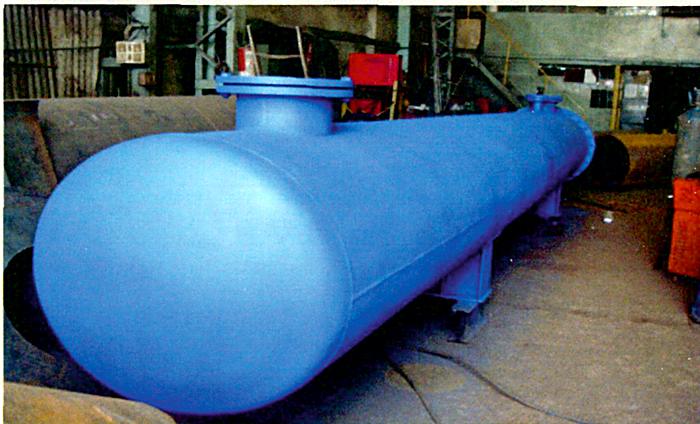
Eleven steps, fully automatic, dust free
Built to hit the numbers
Plants are designed around the feed formula, not the other way round. These are the standard specifications our feed plants are built to deliver.
| Characteristic | Broiler starter | Broiler finisher | Chick | Growing | Laying | Breeder |
|---|---|---|---|---|---|---|
| Moisture max % | 11 | 11 | 11 | 11 | 11 | 11 |
| Crude protein min % | 23 | 20 | 20 | 16 | 18 | 18 |
| Crude fibre max % | 6 | 6 | 7 | 8 | 8 | 8 |
| AIA max % | 3 | 3 | 4 | 4 | 4 | 4 |
| Salt max % (NaCl) | 0.6 | 0.6 | 0.6 | 0.6 | 0.6 | 0.6 |
| Calcium min % | 1.2 | 1.2 | 1 | 1 | 3 | 3 |
| Available phosphorus min % | 0.5 | 0.5 | 0.5 | 0.5 | 0.5 | 0.5 |
| Vitamin A (iu/kg) | 6000 | 6000 | 6000 | 6000 | 6000 | 6000 |
| ME min (Kcal/kg) | 2800 | 2900 | 2600 | 2500 | 2600 | 2600 |
| Characteristic | Cattle (Type 1) | Cattle (Type 2) | Calf (Starter) | Calf (Grower) |
|---|---|---|---|---|
| Moisture max % | 11 | 11 | 10 | 10 |
| Crude protein min % | 22 | 20 | 23–26 | 22–25 |
| Ether extract min % | 3 | 2.5 | 4 | 4 |
| Crude fibre max % | 7 | 12 | 7 | 10 |
| AIA max % | 3 | 4 | 2.5 | 3.5 |
| Salt max % (NaCl) | 2 | 2 | — | — |
| Calcium min % | 0.5 | 0.5 | — | — |
| Vitamin A (iu/kg) | 5000 | 5000 | — | — |
| # | Type-1 ingredient | % | By-pass ingredient | % |
|---|---|---|---|---|
| 1 | De-oiled Rice Bran (DORB) | 49 | De-oiled Rice Bran (DORB) | 26.6 |
| 2 | DOCSC | 10 | DOCSC | 37 |
| 3 | Maize / Broken Rice | 10.1 | Grain (Maize) | 9.5 |
| 4 | Broken Rice / Maize | 5 | Molasses | 13 max |
| 5 | Molasses | 13 max | Mineral Mixture | 0.5 |
| 6 | Rice Polish | 8.4 | Calcite | 1.5 |
| 7 | Mineral Mixture | 0.5 | Common Salt | 1.5 |
| 8 | Calcite | 1.5 | Urea | 1 |
| 9 | Common Salt | 1.5 | Rice Polish | 9.4 |
| 10 | Urea | 1 | — | — |
Tentative figures — vary with season and costing.
Built in Mumbai. Running on four continents.
From Bhandup to Ghana, Burkina Faso, Tanzania, Bangladesh and Australia — plants designed, fabricated, shipped, erected and commissioned by the same team.
Plants running in 15 countries
Supplied and commissioned across South Asia, East and West Africa, Europe, the Caribbean and Australia.
Everything after the drawing
A plant is not a purchase order. We stay on it from first process design through to the day your own operators are running it unaided — and long after.
Tell us the seed
and the tonnage.
Send the oilseed you're processing and the capacity you need. We'll come back with a process route and an indicative scope.